Beijing · Huairou · Oct 16–18, 2026

ISCB-China Workshop on AI for Protein Science

Leading scholars from around the world explore AI-driven protein science — keynotes, invited talks, tutorials, graduate forum, and human–AI debate.

Organizers: ISCB-China; Huairou Science City Group; Frontier Technology Proof-of-Concept Center of Beijing Huairou Science City

Co-hosts: TR Energy and Environment Research Institute; Beijing Huaike International Conference & Exhibition Co., Ltd.

Key dates

  1. September 30, 2026 Early Registration Deadline
  2. October 5, 2026 Abstract Submission Deadline
  3. October 9, 2026 Notification for Review Results
  4. October 14, 2026 Online Registration Deadline

The workshop

AI-Driven Protein Science

The interaction and integration of artificial intelligence (AI) and protein science has brought transformative research paradigms, empowering scientists to better decipher the mechanisms of life and develop innovative therapeutics. This synergy represents a revolutionary advancement in computational biology.

The International Society for Computational Biology (ISCB) stands as the most authoritative global academic organization in this field. Its distinguished membership includes leading scientists such as Professor Michael Levitt, a Nobel laureate recognized for his seminal work in computational protein science. Chinese researchers have also achieved numerous internationally acclaimed, cutting-edge results, particularly in AI-driven protein structure prediction and design, as well as proteomics analysis. Marking a significant milestone in 2024, ISCB founded its China Council (ISCB-China) based in Tsinghua University as its first national-level branch worldwide.

To foster academic exchange and frontier discussions in AI-powered protein science, ISCB-China will organize the "ISCB-China Workshop on AI for Protein Science" in collaboration with institutions including Tsinghua University and the Institute of Computing Technology, Chinese Academy of Sciences. The symposium will convene leading scholars from China and abroad to share pioneering research, discuss on future directions, and explore intersections with industrial applications. This symposium is poised to significantly enhance innovation capabilities within China's AI-protein science sector, propel cutting-edge scientific research, and contribute to the high-quality development of biomedicine and biomanufacturing.

Schedule

Program

Venue: E3 Lecture Hall, Huairou Science City Urban Living Room

Day 1

Friday, October 16, 2026

Venue E3 Lecture Hall, Huairou Science City Urban Living Room

  1. Check-in, poster and exhibition board setup, and visit to the Huairou Science City Innovation Hall

Day 2

Saturday, October 17, 2026

Venue E3 Lecture Hall, Huairou Science City Urban Living Room

  1. Check-in

  2. Session chair

    Guijun Zhang (Professor, College of Information Engineering, Zhejiang University of Technology)
  3. Opening remarks I

    Speaker
    Xuegong Zhang (Professor, Department of Automation, Tsinghua University; Chair, ISCB-China; Vice President, ISCB)
  4. Opening remarks II

    Speaker
    Jian Han (Member of the Party Working Committee and Deputy Director, Huairou Science City Administrative Committee)
  5. Keynote: Breaking fitness barriers: global sequence-space search via sequence jumping

    Speaker
    Yaoqi Zhou (Senior Investigator, Shenzhen Bay Laboratory)
  6. Invited talk: From designing protein expression to intelligent gene recoding: multimodal codon generative models reverse the central dogma

    Speaker
    Sheng Ye (Professor, School of Medical Science and Engineering, Beihang University)
  7. Invited sharing: Introduction to the Beijing Huairou Comprehensive National Science Center

    Speaker
    Bo Xu (Deputy General Manager, Beijing Huairou Science City Development Group Co., Ltd.)
  8. Invited sharing: Pathways for AI-enabled industrialization of biomedicine

    Speaker
    Xiangting Liu (Deputy Director, Facilities and Platforms Division, Huairou Science City Administrative Committee)
  9. Group photo and tea break

    Venue
    Area between E2 and E3
  10. Session chair

    Wenfei Li (Professor, School of Physics, Nanjing University)
  11. Invited talk: From observable to predictable high-value protein cell factories

    Speaker
    Shu Quan (Professor, Shanghai Jiao Tong University)
  12. Invited talk: Central Tolerance Model and Immunogenicity of Neoantigens

    Speaker
    Ming Li (University of Waterloo; Zhongyuan Institute of Artificial Intelligence; Fellow of the Royal Society of Canada; ACM Fellow; IEEE Fellow)
  13. Invited talk: Revealing allele-specific chromatin organization through phasing-free structure modeling

    Speaker
    Shuaicheng Li (Professor, Department of Computer Science, City University of Hong Kong)
  14. Lunch

    Venue
    Gongchu Restaurant, 2F, Huairou Marriott Hotel
  15. Session chair

    Sheng Ye (Professor, School of Medical Science and Engineering, Beihang University)
  16. Invited talk: All-atom drug design based on three-dimensional target structures

    Speaker
    Jianzhu Ma (Associate Professor, Institute for AI Industry Research, Tsinghua University)
  17. Invited talk: AI-enabled mining of microbial protein parts

    Speaker
    Shouyue Zhang (Investigator, Institute of Microbiology, Chinese Academy of Sciences)
  18. Invited talk: Exploring interaction-guided conformational ensemble prediction

    Speaker
    Yanpeng Zhao (Shanghai University)
  19. Invited talk: From Genomic Neighborhoods to Drug-Target Interactions: AI for Predicting Protein Functional Associations

    Speaker
    Hong Su (Specially Appointed Associate Investigator, Nankai University)
  20. Invited talk: AI Reshaping Protein Design: From Structure Prediction to Programmable Bioengineering

    Speaker
    Jinbo Xu (Founder, MoleculeMind; ISCB Fellow)
  21. Tea break and poster session

    Venue
    Area between E2 and E3
  22. Graduate forum

    Speaker
    Chair: Hehuan Cao (PhD student, Institute of Computing Technology, Chinese Academy of Sciences)
  23. Session chair

    Xian Liu (Associate Investigator, Academy of Military Medical Sciences)
  24. Training course: Building Research Agents in Practice I

    Speaker
    Dechao Bu (Associate Investigator, Institute of Computing Technology, Chinese Academy of Sciences)
  25. Dinner

    Venue
    Huairou Hall, 1F, Huairou Marriott Hotel
Day 3

Sunday, October 18, 2026

Venue E3 Lecture Hall, Huairou Science City Urban Living Room

  1. Session chair

    Zhang Zhang (Specially Appointed Investigator, National Genomics Data Center / National Center for Bioinformation)
  2. Keynote: Finding Distant Protein Family Relationships with AI

    Speaker
    Alex Bateman (Head of Protein Sequence Resources Team, EMBL-EBI; ISCB Fellow)
  3. Keynote: From Structures to Interactions: Predicting and Designing Protein Complexes with Deep Learning

    Speaker
    Minkyung Baek (Professor, Seoul National University; lead developer of RoseTTAFold)
  4. Session chair

    Xian Liu (Associate Investigator, Academy of Military Medical Sciences)
  5. Invited talk: Deep learning–enabled de novo design of functional proteins: from binders to precise assemblies

    Speaker
    Chunfu Xu (Investigator, National Institute of Biological Sciences, Beijing (NIBS))
  6. Invited talk: Structure-independent protein drug design

    Speaker
    Jun Wang (Investigator, Institute of Microbiology, Chinese Academy of Sciences)
  7. Tea break

    Venue
    Area between E2 and E3
  8. AI human–machine debate

    Speaker
    Chair: Sheng Ye (Professor, School of Medical Science and Engineering, Beihang University)
  9. Lunch

    Venue
    Gongchu Restaurant, 2F, Huairou Marriott Hotel
  10. Session chair

    Xian Liu (Associate Investigator, Academy of Military Medical Sciences)
  11. Invited talk: Development of multimodal protein models and their applications in synthetic biology

    Speaker
    Pan Tan (Associate Investigator, Shanghai Jiao Tong University)
  12. Invited talk: AI-based enzyme mining and exploration of enzyme diversity

    Speaker
    Jianting Gong (Northeast Normal University)
  13. Invited talk: Synchrotron validation and fragment-based drug screening

    Speaker
    Miao Liang (Deputy General Manager, Beijing Huaiguang Liangji Biotechnology Co., Ltd.)
  14. Graduate forum

    Speaker
    Chair: Hengyan Huang (School of Physics, Nanjing University)
  15. Tea break

    Venue
    Area between E2 and E3
  16. Session chair

    Xian Liu (Associate Investigator, Academy of Military Medical Sciences)
  17. Training course: Building Research Agents in Practice II

    Speaker
    Yang Yang (Associate Professor, Chongqing University of Posts and Telecommunications; Assistant Investigator, Academy of Military Sciences Innovation Institute)
  18. Tutorial: ProVR — an AI+VR platform for protein design

    Speaker
    Danfeng Yang (Engineer, Zhongyuan Artificial Intelligence Industry Technology Research Institute); Jianquan Zhao (Engineer, Institute of Computing Technology, Chinese Academy of Sciences)
  19. Closing remarks

    Speaker
    Dongbo Bu (Investigator, Institute of Computing Technology, Chinese Academy of Sciences; Executive Council Member, ISCB-China)

Speakers

Speakers

Keynote speakers

Invited speakers

Keynote (Oct 17)

Yaoqi Zhou

Senior Investigator, Shenzhen Bay Laboratory

Breaking fitness barriers: global sequence-space search via sequence jumping

Bio

Yaoqi Zhou is a Senior Investigator at the Institute of Systems and Physical Biology, Shenzhen Bay Laboratory, and founder of Libo Bioscience, focusing on RNA-targeted small-molecule drug development.

Abstract

Natural and directed evolution are powerful engines of protein engineering, yet they remain confined to local sequence neighborhoods — every mutation must preserve function, forming an evolutionary “straitjacket” that blocks exploration of distant but potentially superior folds and functions. Here we present two complementary computational frameworks that decouple exploration from functional constraints, enabling large leaps through sequence space. First, SPIN-jEvo (Sequence Prediction–based Jumping with Evolutionary Integrated Neural networks) starts from functional seed sequences, performs targeted jumps to variants with about 20% random substitutions — deliberately entering potentially non-functional regions — then redeploys genetic algorithms to evolve these variants into distant functional homologs. Second, EvoGUD uses a single-sequence conditional diffusion model to generate diverse, evolutionarily plausible sequences in one step, learning to traverse barriers that impede global evolution. Together these methods move beyond local optima of traditional mutagenesis, shifting protein engineering from incremental hill-climbing to global sequence-space search. We demonstrate their capabilities on two families of enzymes and intrinsically disordered proteins.

Keynote (Oct 18)

Dr Alex Bateman

Head of Protein Sequence Resources Team, EMBL-EBI (European Bioinformatics Institute); ISCB Fellow

Finding distant protein family relationships with AI

Bio

Dr Alex Bateman is Head of Protein Sequence Resources at EMBL-EBI, where he leads a cluster of world-leading databases including UniProt, Pfam, InterPro and Rfam. He joined EMBL-EBI in 2012. His current research focuses on applying AI, including structure prediction, deep learning and large language models, to the complete classification and annotation of the protein universe. He is an EMBO member and a fellow of the ISCB, was awarded the Benjamin Franklin Award for open access in the life sciences in 2010, and is a former Chairman of the International Society for Biocuration's Executive Committee. He is joint Editor-in-Chief of Bioinformatics Advances.

Abstract

We are living through a revolution in AI approaches that is transforming how we classify and annotate the protein universe. In this talk I will describe how Pfam, one of the most widely used protein family resources, is harnessing these approaches. I will begin with our use of Large Language Models to improve Pfam annotation, and the strategies we have adopted to produce accurate and verifiable family descriptions at scale. I will then discuss how AI-generated protein structures have changed our ability to define protein domains, and to identify distant relationships between families. Pfam groups related families into clans, and finding these distant evolutionary relationships has been a long-standing challenge. I will trace our efforts from sequence-based methods such as SCOOP, through early attempts to use sequence embeddings, to BOOM, a new deep learning method that aligns pairs of protein structures with excellent performance and which promises to uncover many relationships that have so far eluded us. I will also discuss complementary work to expand the protein universe, including the use of deep learning to annotate proteins in collaboration with Google Research (Bileschi et al., 2022), and the discovery of new families and folds through large-scale structural clustering (Durairaj et al., 2023). Finally, I will step back to consider foundation models in biology more broadly. Compared to frontier text LLMs, biological foundation models remain small, and I will discuss what the cost and compute needed to train them mean for the future of the field.

Keynote (Oct 18)

Dr Minkyung Baek

Professor, Seoul National University; lead developer of RoseTTAFold

From Structures to Interactions: Predicting and Designing Protein Complexes with Deep Learning

Bio

Dr Minkyung Baek is an Associate Professor in the Department of Biological Sciences at Seoul National University. Her research combines computational biology, structural modeling, and artificial intelligence to predict and design biomolecular structures and interactions, with applications in protein design, drug discovery, and vaccines. She was previously a postdoctoral researcher in David Baker’s lab at the University of Washington, where she developed RoseTTAFold, a deep learning framework that advanced protein structure prediction and design. Her work continues to drive AI-based modeling of biomolecular systems, bridging biology and artificial intelligence to accelerate therapeutic innovation.

Abstract

Protein structure prediction has transformed our ability to model individual protein chains. The remaining challenges increasingly lie in the contexts where proteins function: across cells and proteomes, within complexes, and in molecules designed de novo. This talk follows that shift through two lines of work. The first extends structure prediction to proteome-scale discovery of protein–protein interactions. Models trained only on known complexes have not learned to distinguish non-interacting pairs, while exhaustive prediction across a proteome remains computationally prohibitive. RoseTTAFold2-Lite addresses both limitations by training on interacting and non-interacting pairs in a streamlined architecture, enabling exhaustive screening of a bacterial pathogen proteome. RoseTTAFold2-PPI extends this strategy to the human interactome by mining deeper alignments from unassembled genomic data and distilling additional training examples from predicted structures. I will discuss what these screens recover, why proteins with shallow alignments remain challenging, and how confidence estimates should be interpreted when millions of predictions are generated. The second line of work reverses the problem: rather than predicting existing complexes, we design new antibodies. Our pipeline begins with epitope scanning to identify plausible binding interfaces across an antigen surface and provide structural starting points for design. Generative models then create complementarity-determining regions de novo, accessing sequences beyond those represented in natural or synthetic libraries. Yet binding alone is not enough: many designed antibodies recognize their targets but cannot be produced at practical levels. We therefore score and redesign candidates for productivity rather than discarding them, bringing structure-guided generative design closer to antibodies that can be made, tested, and ultimately used.

Invited talk (Oct 17)

Yanpeng Zhao

Shanghai University

Exploring interaction-guided conformational ensemble prediction

Bio

Yanpeng Zhao is at Shanghai University. His research focuses on AI-assisted structure–function relationships of macromolecules and small molecules. He has proposed and developed methods for molecular representation, protein–ligand interaction prediction, uncertainty estimation, and active learning. As first author (including co-first author), he has published more than ten papers in journals including Nature Communications, Briefings in Bioinformatics, Communications Biology, and Journal of Pharmaceutical Analysis. As principal investigator, he has led several projects, including an NSFC Young Scientists Fund (Category C) and a Shanghai Natural Science Foundation youth project.

Abstract

Traditional AI protein models rely on static monomer structures and under-represent dynamic conformational ensembles and differences among conformations. Drug-discovery cases show that molecular dynamics (MD) mining of dynamic conformational differences in target proteins is key to designing highly selective inhibitors. A “static-structure pretraining, dynamic-structure fine-tuning” paradigm can lose sequence diversity and interaction information at the complex level. We therefore built DynoM, introducing complex representations, expanding datasets with large-scale all-atom simulations of dimers, and running multiple training controls. With only 4.85%–34.58% of the base-model data volume, DynoM achieved robust results across metrics; interaction constraints from complexes provide useful constraints for dynamic conformation prediction of multi-domain proteins. On complex dynamic-conformation prediction, DynoM generates more diverse ensembles than AlphaFold 3. Overall, the work shows that complex interaction information can help fill information gaps in dynamic conformation prediction.

Invited talk (Oct 17)

Shuaicheng Li

Professor, Department of Computer Science, City University of Hong Kong

Revealing allele-specific chromatin organization through phasing-free structure modeling

Bio

Shuaicheng Li is a Professor and doctoral supervisor at City University of Hong Kong. He earned bachelor’s and master’s degrees from the National University of Singapore, a Ph.D. from the University of Waterloo, and completed postdoctoral training at UC Berkeley. He leads ongoing development of platforms including DeepOmics.org and oviz.org. His research develops algorithms and computational tools for large-scale genomic and proteomic data to understand mechanisms of complex biological processes, spanning genome assembly, microarray design, vaccine design, T-cell receptors, and cancer data analysis. His current focus is AI-assisted drug design. He has published more than 190 SCI papers in journals including Nature Genetics, Nature Communications, Nature Ecology & Evolution, NAR, Nature Computational Science, Nature Machine Intelligence, and Nature Biotechnology, and has trained more than 30 computational-biology Ph.D. students and multiple postdocs.

Abstract

Resolving the distinct three-dimensional chromatin conformations of paternal and maternal chromosomes is essential for understanding diploid genome function. Yet many haplotype-resolved Hi-C contact-map methods still depend on phased SNPs. Treating reconstruction as simple labeling and classification leads to substantial data loss, high sensitivity to phasing errors, and poor performance when SNPs are sparse. We propose PSHIC, a phasing-free structural modeling framework that reveals implied chromatin organization directly from aggregate Hi-C data. PSHIC models chromosomes as continuous manifolds and solves an inverse problem for structures of the two homologs whose combined contacts best explain the observations. Comprehensive simulations across sequencing depths, SNP densities, and phasing-error rates show PSHIC consistently outperforms existing methods in accuracy (SCC ≥ 0.987), loop detection (F1 ≥ 0.952), and structural fidelity (DER ≤ 0.04). On real human and mouse Hi-C data, PSHIC recovers known allele-specific features in X-chromosome inactivation, genomic imprinting, and regulatory networks, consistent with orthogonal assays including 3D DNA-FISH, 4C-seq, and ChIA-PET. PSHIC enables robust reconstruction in non-model organisms and other settings with limited SNPs or poor phasing quality, broadening diploid chromatin analysis.

Invited talk (Oct 17)

Dr Ming Li

University of Waterloo; Zhongyuan Institute of Artificial Intelligence; Fellow of the Royal Society of Canada; ACM Fellow; IEEE Fellow

Central Tolerance Model and Immunogenicity of Neoantigens

Bio

Professor Ming Li has taught at The Ohio State University, Harvard University, York University, the University of California, Santa Barbara, and the University of Waterloo. In 2024 he received the IEEE Computer Society Wallace McDowell Award. In 2010 he received the Killam Prize. He is a Fellow of the Royal Society of Canada, the Canadian Academy of Engineering, the ACM, the IEEE, and the ISCB.

Abstract

This talk addresses a core bottleneck in personalized tumor neoantigen vaccines: how to select, from thousands of candidate peptides, the small number of high-value antigens that can truly induce T-cell responses. We propose a personalized “central tolerance” model that ranks candidate neoantigens, using natural peptides obtained by mass spectrometry from the patient as negative examples and known immunogenic peptides from resources such as IEDB as positive examples. The method performs well in mice and also outperforms existing methods in humans, but it is currently limited mainly by a shortage of high-quality positive training examples. The ultimate goal is to turn discovery, AI screening, small-scale synthesis, immune validation, and a personalized vaccine into a scalable and affordable clinical pathway.

Invited talk (Oct 17)

Jianzhu Ma

Associate Professor, Department of Electronic Engineering and Institute for AI Industry Research, Tsinghua University

All-atom drug design based on three-dimensional target structures

Bio

Jianzhu Ma is an Associate Professor in the Department of Electronic Engineering and the Institute for AI Industry Research at Tsinghua University, and a recipient of the NSFC Excellent Young Scientists Fund (Overseas). He was previously the Walther Assistant Professor in the Department of Computer Science at Purdue University. His research focuses on artificial intelligence, systems biology, and biopharmaceuticals. His honors include the Best Paper Award at RECOMB, the Warren DeLano Award at ISMB, Best Poster Awards at the international conference on RNA and protein folding and at the First International Conference on Urban Science, recognition among the 2024 Top Ten Advances in Bioinformatics in China, and a Best Paper Nomination at ISMRA, the international conference on mixed and augmented reality. His papers have appeared in journals including Nature, Cell, Cancer Cell, Nature Machine Intelligence, Nature Methods, Nature Cancer, Nature Biomedical Engineering, and Immunity.

Abstract

This talk shares recent results on AI in biology and pharmaceuticals, with a focus on a new all-atom generative model. The model unifies all tasks related to proteins and small molecules at the atomic level. It is trained with a unified representation of different tasks and a multi-task rotating denoising generation algorithm, and can be applied directly, without fine-tuning, to tasks that did not appear in training. The talk also presents applications of the all-atom generative model in settings such as small molecules, peptides, antibodies, and CAR-T.

Invited talk (Oct 18)

Jianting Gong

Assistant Investigator, Northeast Normal University

AI-based enzyme mining and exploration of enzyme diversity

Bio

Jianting Gong holds a Ph.D. in science and is an Assistant Investigator at Northeast Normal University. She has been a visiting scholar at the University of Missouri–Columbia and a postdoctoral researcher in biology at the Academy of Military Medical Sciences. Her research is in AI4Science, focusing on enzyme mining and design and protein function prediction. She has published more than ten papers in journals including Nature Communications, Bioinformatics, and Computational and Structural Biotechnology Journal (CSBJ).

Abstract

Enzymes are central to life and a vast resource for enzyme preparations and biomanufacturing. Nature harbors an enormous number of enzyme molecules, and public protein data, mainly from microbes, has reached a scale of tens of billions. Efficiently and accurately linking sequence to function has major scientific and industrial value. Protein structure prediction has provided a breakthrough method, but faced with the vast “microbial dark-matter universe,” the one billion structures in AFDB and ESM Atlas are still insufficient, and structure alone is not necessarily the best strategy for associating enzyme function. Based on the sequences, structures, and corresponding reactions of about 200,000 enzymes in SwissProt, we built a reaction-aware multimodal enzyme representation model, RAMER. For classification by the EC codes of enzyme-catalyzed reactions, RAMER shows stronger representations than the enzyme-specific model CLEAN and other protein large language models, and thus improves EC prediction. With relatively limited computational resources, RAMER was used to represent more than 3 billion protein sequences from marine, freshwater, terrestrial, and extreme-environment microbiomes, and to construct an enzyme resource atlas of more than 1 billion enzyme molecules. Compared with the 36 million enzyme records in UniProtKB/TrEMBL, this provides a much broader data resource. Detailed analysis of a subset of enzymes further shows that RAMER clusters enzymes more closely along functional classification, which better supports exploration of natural enzyme diversity. We have already collaborated with more than 10 experimental teams on enzyme discovery, and are building an online real-time search service covering 200 million enzymes.

Invited talk (Oct 18)

Miao Liang

Deputy General Manager, Beijing Huaiguang Liangji Biotechnology Co., Ltd.

Synchrotron validation and fragment-based drug screening

Bio

Miao Liang is Deputy General Manager of Beijing Huaiguang Liangji Biotechnology Co., Ltd. He has long worked with platforms including the High Energy Photon Source (HEPS) in Beijing, the Shanghai Synchrotron Radiation Facility, the Hefei Light Source, the Swiss Light Source, SwissFEL, and Roche, specializing in macromolecular crystallography and in technology, industry–academia collaboration, and technology transfer around large scientific facilities.

Abstract

This talk introduces the HEPS–Huaiguang high-throughput small-molecule drug screening shared technology platform and its external service capability; discusses how protein structure data from synchrotron experiments support AI protein-model training and experimental validation; explores pathways for AI plus synchrotron methods in FBDD fragment screening; and proposes industry–academia collaboration to build a closed-loop AI–experiment validation platform.

Invited talk (Oct 17)

Shu Quan

Professor, Shanghai Jiao Tong University

From observable to predictable high-value protein cell factories

Bio

Shu Quan, Ph.D., is a Professor and doctoral supervisor at Shanghai Jiao Tong University and a council member of the Shanghai Society of Biochemistry and Molecular Biology. Her long-term focus is protein folding, homeostasis, and regulation, with representative work in Nature Structural & Molecular Biology, PNAS, Nature Communications, and Molecular Cell. In recent years she has increasingly explored AI-enabled protein folding engineering. She has led NSFC Excellent Young Scientists projects, international collaboration projects, and National Key R&D Program Young Scientist projects.

Abstract

The ability to design high-value proteins is advancing rapidly, yet turning “designable” into “manufacturable” remains a major challenge for cell factories. Folding, quality control, trafficking, secretion, and degradation, together with host-cell state, jointly shape manufacturability. Around these previously hard-to-observe processes, we developed synthetic biosensing technologies for quantitative characterization of protein folding states in living cells, and built the FINEST high-throughput screening platform to link folding phenotypes, host perturbations, and manufacturing performance, identify cellular processes that limit high-value protein production, and guide cell-factory optimization. We are also mining experimental and literature data for patterns related to protein stability and manufacturability, laying a foundation for moving from phenotypic observation toward data-driven prediction of high-yield engineering.

Invited talk (Oct 17)

Hong Su

Specially Appointed Associate Investigator, School of Statistics and Data Science, Nankai University; Member, National Key Laboratory of Intelligent Tracking and Forecasting for Infectious Diseases

From Genomic Neighborhoods to Drug-Target Interactions: AI for Predicting Protein Functional Associations

Bio

Hong Su is a Specially Appointed Associate Investigator in the School of Statistics and Data Science at Nankai University, a member of the National Key Laboratory of Intelligent Tracking and Forecasting for Infectious Diseases, and a Humboldt Research Fellow (postdoctoral). Research focuses on protein structure and function prediction, with papers in journals including Nature Protocols, Advanced Science, and Bioinformatics. Current support includes a Young Scientists Fund of the National Natural Science Foundation of China, a Tianjin Natural Science Youth Fund, and a Tuanshan Young Talent Program (Basic) of the National Key Laboratory of Intelligent Tracking and Forecasting for Infectious Diseases.

Abstract

Protein function is shaped by associations across multiple biological scales, from neighboring genes in genomes to interactions between proteins and small molecules. This talk presents two complementary approaches for predicting such associations. First, we introduce UniOP, a fully unsupervised Bayesian framework for operon prediction. UniOP infers functional gene associations directly from intergenic-distance distributions, without requiring external annotations or species-specific training. It performs robustly across diverse complete genomes and fragmented metagenome-assembled genomes, making it suitable for large-scale analysis of poorly characterized microorganisms. Second, we present MPCL-DTI for drug–target interaction prediction. It integrates heterogeneous biological networks, drug structures, and protein sequences through graph-augmented contrastive learning. A meta-path-guided positive–unlabeled learning strategy further reduces label noise caused by unknown drug–target pairs. MPCL-DTI consistently outperforms existing methods on benchmark datasets. Together, these studies demonstrate how data-driven learning can reveal protein functional associations from genomic organization to molecular interactions, supporting functional annotation and drug discovery.

Invited talk (Oct 18)

Pan Tan

Associate Investigator, Shanghai Jiao Tong University

Development of multimodal protein models and their applications in synthetic biology

Bio

Pan Tan is an Associate Investigator at Shanghai Jiao Tong University. His research focuses on deep learning for protein engineering and data mining, with an emphasis on practical AI deployment in protein engineering. Combining biophysical knowledge, he has developed pretrained large models that fuse protein sequence and structure, substantially improving redesign efficiency and reducing wet-lab cost. These technologies have supported product development at dozens of research institutions and companies and advanced industrialization of several difficult protein products. As first or corresponding author (including co-authorship), he has published 16 papers in leading journals and AI conferences such as Nature Communications, Science Advances, PNAS, and NeurIPS.

Abstract

Addressing key challenges in synthetic biology—reaction planning, enzyme discovery, and expression design—this talk presents multimodal modeling that links reaction, protein, and DNA information. VenusRX uses domain pretraining and constrained decoding for enzymatic reaction prediction and single-step retrosynthesis; VenusRXN aligns reactions with proteins to support candidate enzyme retrieval and catalytic-performance prediction; ProDMM jointly pretrains on protein–DNA pairs to support selection of expression parts and pathway combinations. With baseline comparisons and applications such as natural-product pathway enzyme mining and polylactic acid synthesis, we show performance gains and experimental validation, offering new tools for biomanufacturing part and pathway design.

Invited talk (Oct 18)

Jun Wang

Investigator, Institute of Microbiology, Chinese Academy of Sciences

Structure-independent protein drug design

Bio

Jun Wang received his Ph.D. from the Max Planck Institute for Evolutionary Biology in Germany and completed postdoctoral training at KU Leuven in Belgium. In 2017 he was selected for China’s National Thousand Talents Program for Young Scholars and appointed Max Planck Partner Group Leader (2017–2022). In 2022 he received the Beijing Outstanding Young Scientist Fund. Over the past five years he has published 48 SCI papers as last or co-corresponding author in journals including Nature Biotechnology and Cell Host & Microbe, with a cumulative impact factor above 660. He has led national key projects on pathogen research and epidemic prevention technology systems, as well as NSFC emergency projects on SARS-CoV-2. He received the 2023 Zhongyuan Xiehe Life Medicine Innovation Breakthrough Award and the 2023 Silver Lingyan Award of the University of Chinese Academy of Sciences.

Abstract

AI is advancing rapidly in protein function analysis and drug design. Structure-prediction methods such as AlphaFold, and the structure-dependent peptide ligand design approaches built on them, already offer many methods and case studies. Yet a recent Nature Reviews Drug Discovery piece notes that “ligands are not drugs”: existing binder-design methods still struggle to predict post-binding function and to control off-target effects. We propose a structure-independent, sequence-first protein design approach that sharply reduces model complexity (parameter count cut by more than 90%) and compute demand, while enabling new protein-drug design that covers target agonism and multi-target cross-reactivity. On one-shot and zero-shot targets we achieve success rates above 30%, reducing the peptides that need experimental validation to fewer than ten. Early validation on other molecular types further suggests that sequence-first, structure-independent methods are highly extensible.

Invited talk (Oct 17)

Jinbo Xu

Founder, MoleculeMind; ISCB Fellow

AI Reshaping Protein Design: From Structure Prediction to Programmable Bioengineering

Bio

Professor Jinbo Xu is a computational biologist, founder of MoleculeMind, and an ISCB Fellow. He is a pioneer in AI-based protein structure prediction. In 2016, he developed RaptorX-Contact, which used deep residual networks to substantially improve protein contact prediction and helped drive major advances in protein structure prediction. This line of research also contributed key ideas to early AlphaFold methods. His current work integrates protein foundation models, physics-based computation, and wet-lab validation to advance protein research from structure prediction to programmable design.

Abstract

AI is advancing protein research from structure determination toward function-driven design. This talk will introduce an integrated protein design framework combining protein foundation models, first-principles computation, and wet-lab validation, with applications in antibody–antigen complex prediction, de novo design of nanobodies and cyclic peptides, multispecific antibodies, conditionally activated therapeutics, and developability optimization. Through real-world examples, the talk will show how AI can compress vast search spaces into a small set of high-quality experimental candidates and jointly optimize affinity, expression yield, stability, purity, and the therapeutic window. These advances are shifting protein research and development from “screening candidate molecules” toward “defining programmable design spaces.”

Invited talk (Oct 18)

Chunfu Xu

Investigator, National Institute of Biological Sciences, Beijing (NIBS)

Deep learning–enabled de novo design of functional proteins: from binders to precise assemblies

Bio

Chunfu Xu is an Investigator at the National Institute of Biological Sciences, Beijing (NIBS) and an Assistant Professor at the Biomedical Interdisciplinary Research Institute, Tsinghua University. He received his bachelor's degree from Fudan University and his Ph.D. from Emory University, and then conducted postdoctoral research in the laboratory of Nobel laureate Prof. David Baker. His work focuses on computational protein design, with advances in methods for designing proteins and peptides with novel structures and in the de novo design of functional proteins. His parametric α-helical protein design method (Science 2014) helped lead progress in the field. The successful design of a transmembrane protein pore (Nature 2020) has been highly regarded by peers and is a milestone in transmembrane protein design. He has also successfully designed a small-molecule-activated fluorescent protein with near-infrared activity that extends beyond the spectral range of all existing fluorescent proteins (JACS 2026). His laboratory currently focuses on developing new computational protein design methods and exploring applications of novel functional proteins in biotechnology and biomedicine.

Abstract

Deep learning is reshaping protein design, enabling us to design proteins of increasing structural and functional complexity and gradually moving these designs toward practical applications. In this talk, drawing on my own research experience, I will share some perspectives on the development of this field: from early parametric design of helical-bundle backbones using the Crick coiled-coil equations, to later generative protein design methods based on hallucination and diffusion models. I will mainly discuss how advances in models for protein structure prediction, backbone generation, and sequence design help us more efficiently turn design ideas into experimentally validated functional proteins. Drawing on our recent work, the talk will cover computational design of protein assemblies, transmembrane proteins, ligand-binding proteins, and protein-binding proteins, and will further discuss potential applications of these designed proteins in therapeutics, diagnostics, and synthetic biology.

Invited talk (Oct 17)

Sheng Ye

Professor, School of Medical Science and Engineering, Beihang University

From designing protein expression to intelligent gene recoding: multimodal codon generative models reverse the central dogma

Bio

Sheng Ye is a Professor in the School of Medical Science and Engineering at Beihang University, Deputy Secretary-General of the Biophysical Society of China, and Vice Chair of its AI Biology Branch. He earned his Ph.D. from the School of Basic Medical Sciences at Tsinghua University and was a dual-appointed postdoctoral scientist at the Howard Hughes Medical Institute and Columbia University. His work centers on structural biology of disease molecular pathology and related drug development, and more recently on AI-enabled design of proteins and other biomacromolecules. He developed deep generative models including CUTEDGE and NatCodon, which have been applied in commercial drug-development projects. He has led national major S&T special projects, 973 Program projects, NSFC general programs, and Beijing science and technology plan projects; deposited nearly 100 protein structures to the PDB; and published more than 50 SCI research papers, with a single paper cited over 1,000 times.

Abstract

Protein design is shifting from remodeling natural proteins to de novo generation of entirely new proteins. That leap faces a gene-level bottleneck: AI-designed protein sequences must be “back-translated” into expressible genes, while traditional codon optimization mainly improves statistical codon-usage metrics and is a passive adaptation to natural proteins, with low success for AI-designed proteins. We reframe the problem as codon design—from template optimization to de novo generation—and developed NatCodon, a multimodal codon generative model that, under multiple constraints from protein sequence and structure, directly generates codon sequences meeting target expression needs. Unexpectedly, NatCodon not only enables expression of designed proteins but also supports intelligent gene recoding. In nucleic-acid drug cases, NatCodon-designed codon sequences achieved higher expression in human cells than the human genes themselves and helped advance related projects into clinical trials. Mechanistic studies show NatCodon sequences do not have higher CAI or higher mRNA transcription; instead, balanced use of “optimal” and “non-optimal” synonymous codons paces ribosome translation and improves co-translational folding efficiency. This work reverse-engineers the one-way flow of genetic information from nucleic acid to protein (the central dogma). The AI tools and new evaluation metrics provide a technical framework for recombinant production of designed proteins and recoding of natural genes, with practical value for synthetic biology and biomanufacturing, and open new directions for understanding codon-usage rules.

Invited talk (Oct 17)

Shouyue Zhang

Investigator, Institute of Microbiology, Chinese Academy of Sciences; Chief Scientist, National Microbiology Data Center

AI-enabled mining of microbial protein parts

Bio

Shouyue Zhang is an Investigator at the Institute of Microbiology, Chinese Academy of Sciences, and Chief Scientist of the National Microbiology Data Center. He received his Ph.D. from Sichuan University in 2020 and completed postdoctoral training at Tsinghua University. He joined the Institute of Microbiology, CAS in 2024. His research focuses on microbial big-data mining and AI applications. He discovered the Pro-CRISPR system that enhances Cas9 activity (Nature 2024), developed HYER, the world's first RNA gene-editing tool (Science 2024), and elucidated the evolutionary origin of Cas12 (Cell 2025), leading to new gene-editing tools and synthetic biology parts. He leads projects under the National Key R&D Program of the Ministry of Science and Technology, as well as NSFC Young Scientists Fund (Category B), Major Research Plan cultivation projects, and General Program grants. He has been selected for the CAS Talent Program, the Beijing Science and Technology Star program, and as an Outstanding Scholar of the Beijing Frontier Research Center for Biological Structure.

Abstract

Macromolecular parts are core functional modules in biomanufacturing and the key molecular machines that run cellular factories. Through mining and developing microbial macromolecules, we have discovered and engineered a series of disruptive biotechnologies. The speaker has long focused on discovering new parts from the vast space of unknown microbial macromolecules and on resolving their functions and evolutionary principles. By developing new algorithms, we perform large-scale structure–function analysis of proteins across microbial genomes and probe the structural evolutionary principles of protein macromolecules. Building further on AI methods, we have developed models that jointly characterize macromolecular structure and local physicochemical properties, enabling fine-grained functional characterization of macromolecules that are similar in sequence and structure but diverge markedly in function, thereby guiding candidate part mining and intelligent creation.

Location

Huairou Science City Urban Living Room

E3 Lecture Hall, Huairou Science City Urban Living Room.

Dates
October 16–18, 2026
Venue
E3 Lecture Hall, Huairou Science City Urban Living Room
Address
Yongle Bei 1st Street Courtyard 3, Building 3, Huairou Science City Urban Living Room, Beijing
Plaza and fountain at Huairou Science City Urban Living Room

Accommodation

Nearby hotels

Conference registration fees do not include hotel accommodation.

Accommodation fees at the hotel shall be paid by you separately. Should you encounter any problems during the booking process, please contact the hotel-based team representative, Mr. Yu, at 186-3066-1600.

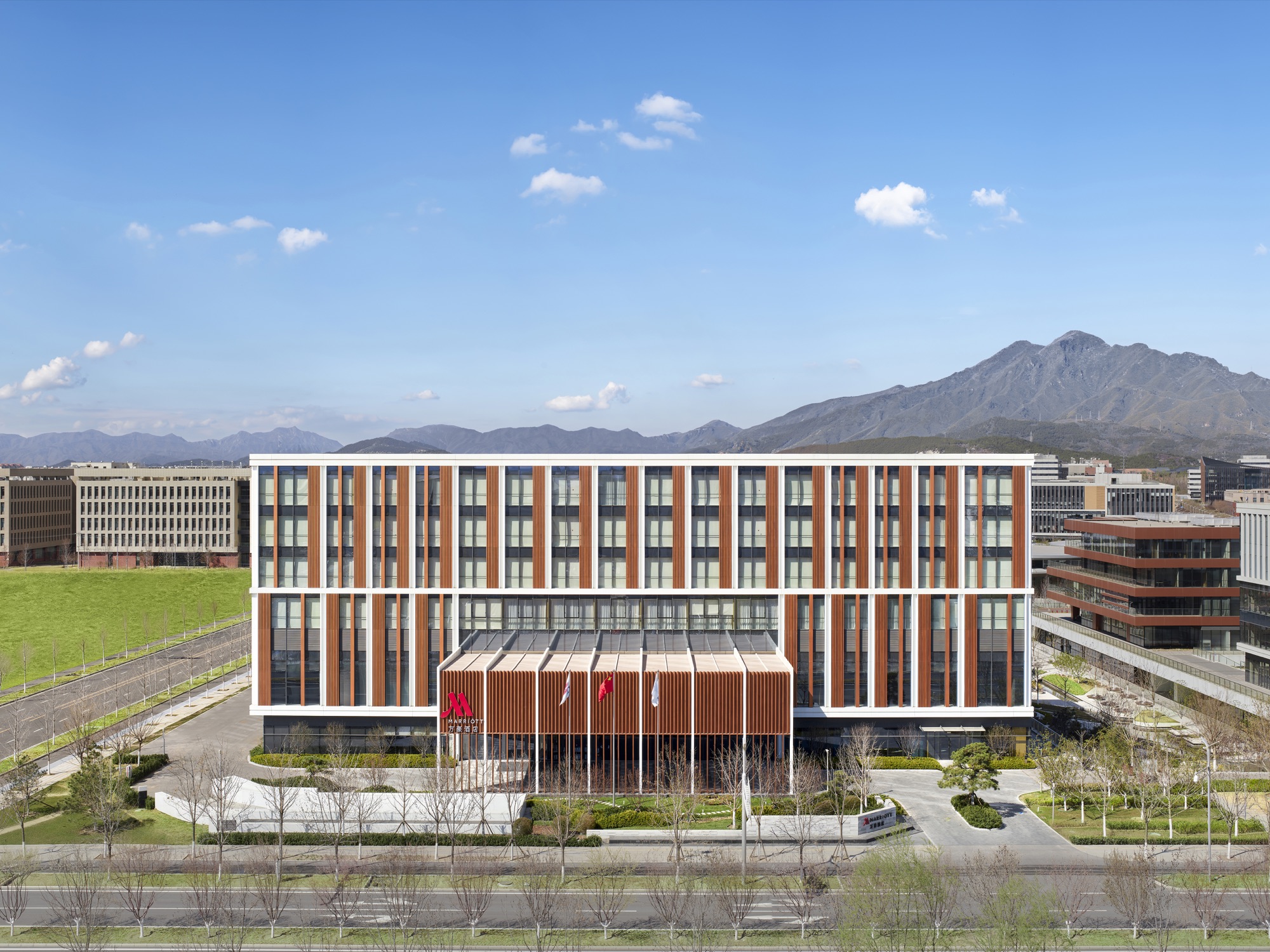
  • Marriott Hotel exterior by day

    Marriott Hotel

    Daytime exterior · Huairou area

    • King room ¥600 per night, tax included
    • Twin room ¥600 per night, tax included
    Book now · Marriott Hotel
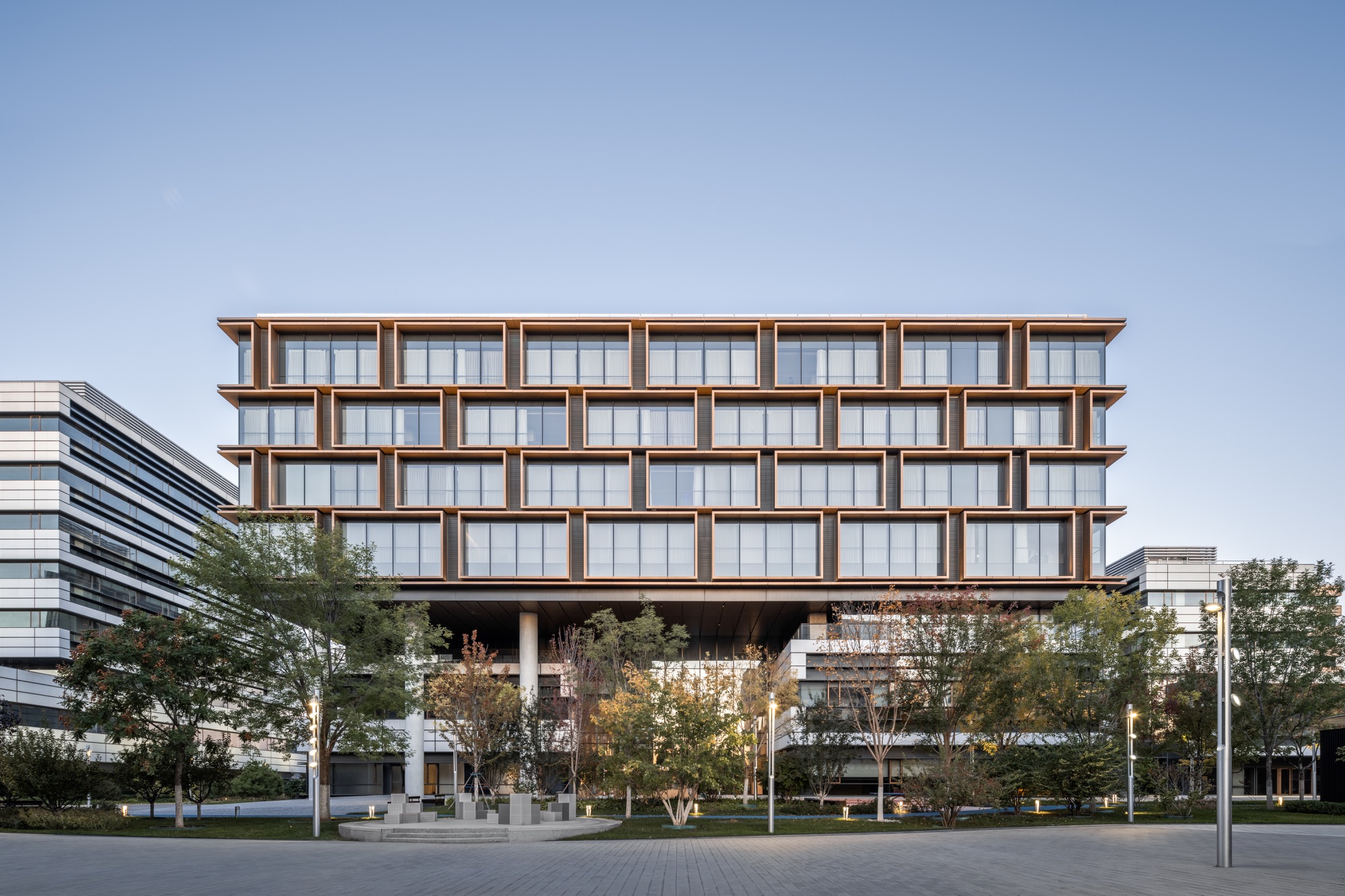
  • Aloft Hotel front entrance

    Aloft Hotel

    Front view · Huairou area

    • King room ¥550 per night, tax included
    • Twin room ¥550 per night, tax included
    Book now · Aloft Hotel

Travel

Getting here

Shuttle booking

October 16 — To venue / Huairou Marriott Hotel / Aloft Hotel

  • Institute of Computing Technology, CAS 13:00, 19:00
  • Daxing Airport (PKX) 13:00, 16:00, 20:00
  • Capital Airport (PEK) 13:00, 16:00, 20:00

October 17 — To venue

  • Institute of Computing Technology, CAS 7:00

October 18 — To Institute of Computing Technology, CAS / Daxing Airport / Capital Airport T3

  • Outside E3 Lecture Hall, Huairou Science City 17:30

October 19 — To Institute of Computing Technology, CAS / Daxing Airport / Capital Airport

  • Marriott Hotel 8:00
  • Aloft Hotel 8:00

Shuttle booking deadline: October 14

Book shuttle

Public transport to the venue

Yongle Bei 1st Street Courtyard 3, Building 3, Huairou Science City Urban Living Room, Beijing

Illustrative routes only. Always verify with real-time navigation (Amap / Apple Maps / Google Maps).

Arriving from an airport or railway station? View step-by-step public transport guidance.

Public transport to the venue

Illustrative routes only. Always verify with real-time navigation (Amap / Apple Maps / Google Maps).

  • Daxing International Airport (PKX)

    Est. time: ~2–2.5 h

    Airport Express / metro toward central Beijing → transfer toward Huairou → local bus or taxi to Huairou Science City Urban Living Room.

  • Capital International Airport (PEK)

    Est. time: ~1.5–2 h

    Airport Express to Dongzhimen → transfer toward Huairou → local bus or taxi to Huairou Science City Urban Living Room.

  • Beijing West Railway Station

    Est. time: ~1.5–2 h

    Metro Line 7 / 9 toward central hubs → transfer toward Huairou → local bus or taxi.

  • Beijing Railway Station

    Est. time: ~1.5–2 h

    Metro Line 2 → transfer toward Huairou → local bus or taxi to Huairou Science City Urban Living Room.

  • Beijing South Railway Station

    Est. time: ~1.5–2.5 h

    Metro Line 4 / 14 toward central Beijing → transfer toward Huairou → local bus or taxi.

  • Beijing Fengtai Railway Station

    Est. time: ~1.5–2.5 h

    Metro Line 10 / 16 north/east → transfer toward Huairou → local bus or taxi.

  • Qinghe Railway Station

    Est. time: ~1–1.5 h

    Changping Line / Line 13 connections → transfer toward Huairou → local bus or taxi. Often one of the shorter options.

Shuttle booking request

All fields are required for this demo form.

Join us

Reserve your place

View registration details

Key Dates

  • September 30, 2026 Early Registration Deadline
  • October 5, 2026 Abstract Submission Deadline
  • October 9, 2026 Notification for Review Results
  • October 14, 2026 Online Registration Deadline
  • October 16–18, 2026 Workshop dates

Hotel booking request

All fields are required for this demo form.