Program

Graduate Forum

A stage for early-career researchers to present human–AI collaborative projects under the theme “One month, one project.”

Back to home

The graduate forum is part of the main program, scheduled for 15:50–17:20 on Oct 17 and 14:40–15:30 on Oct 18. The list below shows each presenter's name, affiliation, and topic.

Presenters

October 17

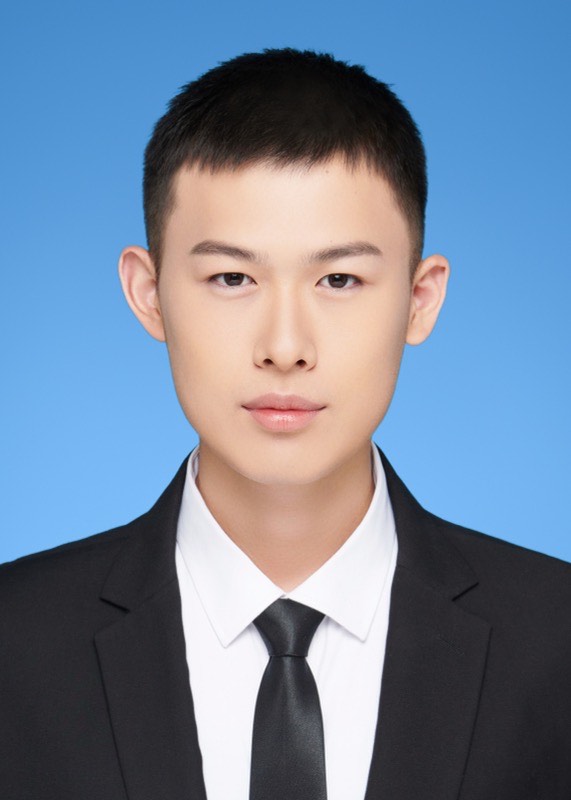
  • Systematic mining of human nucleic-acid-binding proteins with AI models and high-throughput experiments

    Kaihang Li

    Institute of Zoology, University of Chinese Academy of Sciences

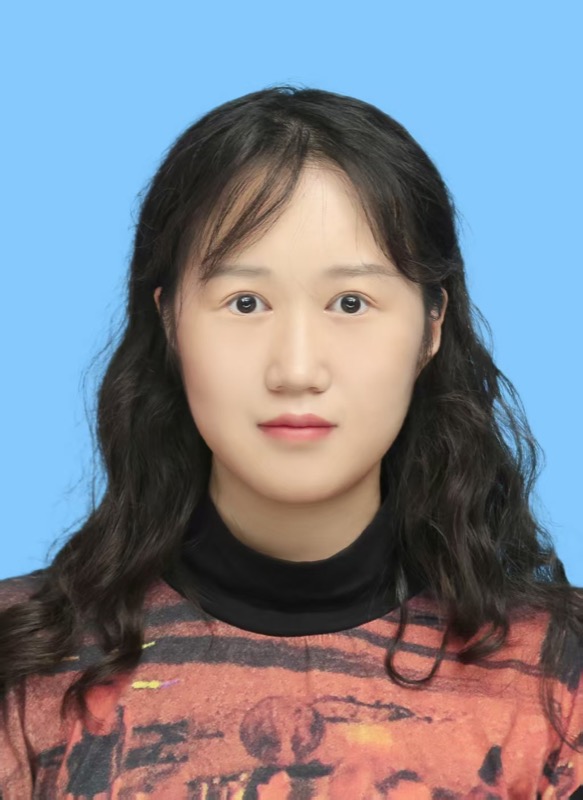
  • Rapid, single-cell-level identification of ESKAPE pathogens from clinical specimens by high-throughput microscopy and deep learning

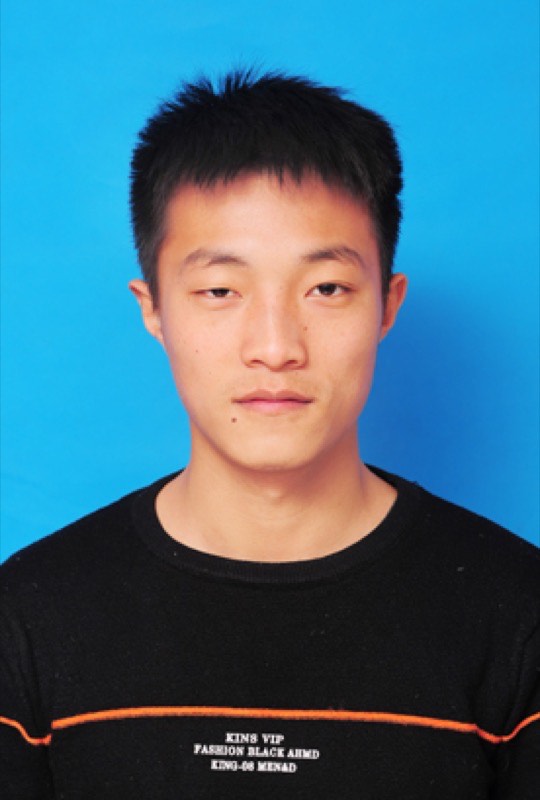
    Xudong Zhang

    Institute of Microbiology, University of Chinese Academy of Sciences

  • Antibody–antigen complex structure modeling

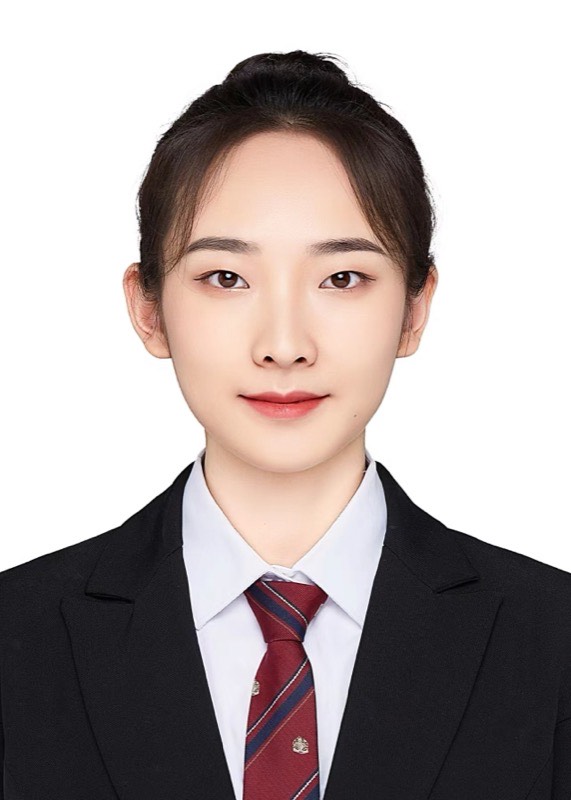
    Suhui Wang

    Zhejiang University of Technology

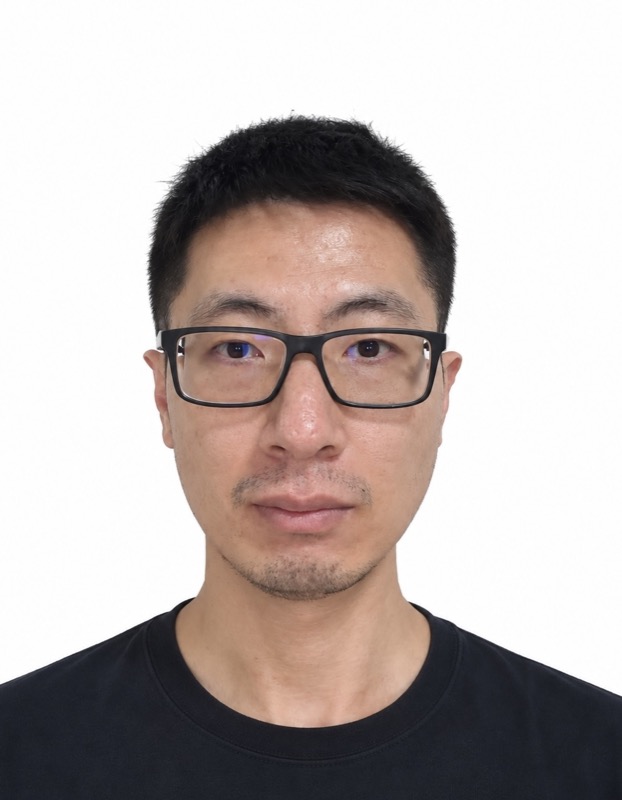
  • Integrated modeling for structure prediction of large protein complexes

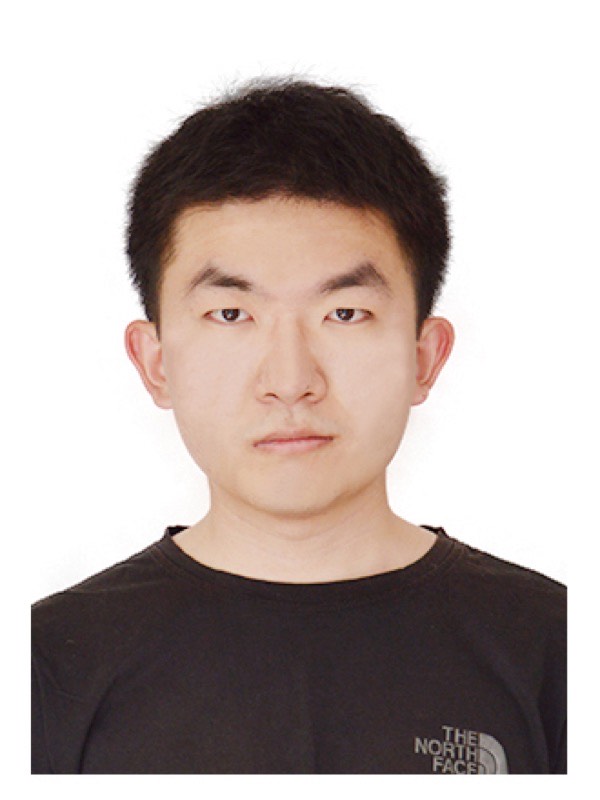
    Xuan Yao

    School of Physics, Huazhong University of Science and Technology

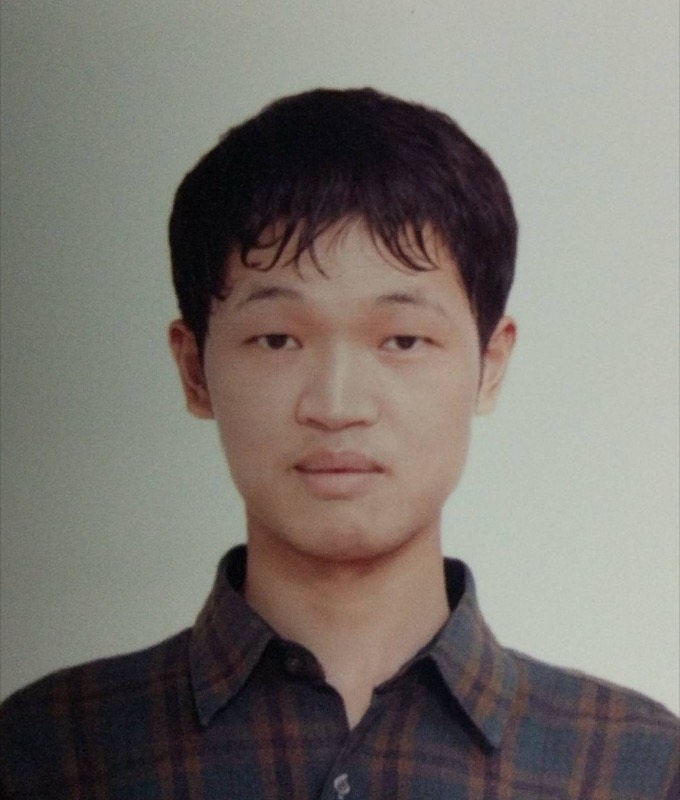
  • AI-enabled design of protein materials

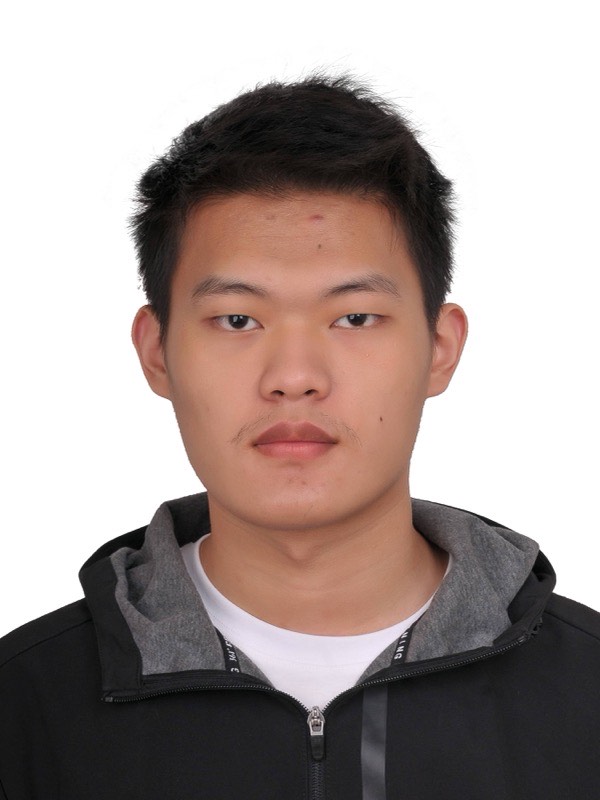
    Zhihao Wang

    Northeastern University

  • Decoding the AlphaFold “black box”: a geometry-over-coevolution principle for protein complex assembly

    Shuangjun Li

    School of Physics, Huazhong University of Science and Technology

  • MD-guided and experimentally validated study of the calcium-activation mechanism of PcncAAAD

    Tianjie Li

    The Chinese University of Hong Kong

October 18

  • Can we steer Alphafold3's embedding space? An agent-guided exploration of steering prediction for multi-conformer proteins

    Hengyan Huang

    School of Physics, Nanjing University

  • ComplexDesign: sequence-hallucination design of protein binders bridging multiple target proteins

    Jing Xu

    School of Interdisciplinary Studies, University of Chinese Academy of Sciences

  • Cognitive reasoning for protein R&D agents

    Yang Tan

    Shanghai Jiao Tong University & Shanghai Innovation Institute

  • qcGEM: a graph-based molecular representation with quantum chemistry awareness

    Haoyu Wang

    School of Life Sciences, Tsinghua University

Kaihang Li

Institute of Zoology, University of Chinese Academy of Sciences

Systematic mining of human nucleic-acid-binding proteins with AI models and high-throughput experiments

Abstract

核酸结合蛋白是一类能够特异性识别并结合DNA或RNA分子的功能蛋白,广泛参与基因转录调控、RNA剪切修饰、基因组稳定性维持等核心生物学过程,在细胞稳态、发育分化以及疾病发生发展中扮演着关键角色。除此之外,部分核酸结合蛋白还可开发为基因编辑、核酸检测、转录调控等生物技术工具,在合成生物学与分子诊断领域具备重要应用潜力。尽管已有大量核酸结合蛋白被注释,但人类基因组中仍存在大批尚未被系统鉴定的潜在核酸结合蛋白,受传统生化实验通量与检测灵敏度限制,依靠传统筛选手段难以实现大规模挖掘。随着人工智能尤其是蛋白‑核酸生成建模技术的发展,为从蛋白序列、结构层面预测潜在核酸结合能力提供了全新思路,依托AI模型开展候选分子的初筛,能够极大缩小候选范围,弥补传统筛选方法的短板。单纯计算预测存在假阳性偏高的固有缺陷,因此需要与高通量生化实验紧密耦合,通过高通量实验对AI输出的候选蛋白开展大规模结合活性验证,实现从计算预测到实验证实的闭环。该整合策略有望系统性发掘人类新型核酸结合蛋白,既有助于解析基因调控网络、挖掘疾病相关功能因子,也可为开发新型生物技术工具蛋白储备优质候选资源。

Xudong Zhang

Institute of Microbiology, University of Chinese Academy of Sciences

Rapid, single-cell-level identification of ESKAPE pathogens from clinical specimens by high-throughput microscopy and deep learning

Abstract

Rapid and accurate pathogen identification is critical for sepsis and severe respiratory infections, but current clinical workflows remain slow and resource-intensive. We developed an automated high-throughput imaging platform based on clinically accessible bright-field microscopy and generated a dataset of 24.9 million label-free bacterial cells from six key pathogens. Using this resource, we trained a neural network (ESKAPe-ResNet) to identify ESKAPe species at the single-bacterium level and in clinical samples, achieving high species-level accuracy and specificity. In sputum, bronchoalveolar lavage fluid, and blood samples, the model correctly identified the dominant ESKAPe pathogen in most samples after minimal broth culture enrichment. With brief cultivation, the median time to accurate identification was reduced to 5–6 hours, compared with days for conventional blood culture. Validation on an independent microscope and clinical samples confirmed robust performance. This work establishes proof-of-principle for label-free, hardware-minimal rapid pathogen identification and provides a clinically deployable workflow to expedite diagnosis and reduce mortality in severe bacterial infections.

Xuan Yao

School of Physics, Huazhong University of Science and Technology

Integrated modeling for structure prediction of large protein complexes

Abstract

蛋白复合物的三维结构对于解析蛋白质相互作用机制及其生物学功能具有重要意义。然而,当应用于包含多条蛋白链的大型复合物时,现有结构预测方法往往面临预测精度下降、计算资源受限以及在不同规模和对称体系下的泛化能力不足等问题。针对上述问题,我们提出了整合分子对接和组装算法的多体蛋白复合物结构预测框架HDOCK-Multimer(HDM)。HDM可以根据目标复合物的同源关系、链数量以及成对对接结果,自适应地搭配非对称对接、对称对接和组合组装三类建模策略,并结合知识驱动的IT-score对候选结构进行打分和排序。大规模基准测试表明,与现有方法相比,HDM的结构预测精度以及在不同复合物规模和对称类型下的泛化能力均表现出明显优势。本研究表明,融合不同建模策略并充分发挥其互补优势,为提升大型蛋白复合物结构预测的准确性和可扩展性提供了一种新的思路。

Zhihao Wang

Northeastern University

AI-enabled design of protein materials

Abstract

蛋白材料生物相容性佳、可编辑、性能优异,应用前景广泛。传统开发依赖天然蛋白改造,难以按需定制。AI打通了蛋白质从头设计计算链路,但在蛋白材料的形态控制、制备、性能预测等方面仍存在短板。本文以兼具稳定有序特征的β‑Solenoid结构为切入点,将多分子组装问题转化为单分子折叠问题,探讨AI驱动蛋白材料设计的现存挑战,为高性能蛋白材料研发提供思路。

Key Dates

  • September 30, 2026 Early Registration Deadline
  • October 5, 2026 Abstract Submission Deadline
  • October 9, 2026 Notification for Review Results
  • October 14, 2026 Online Registration Deadline
  • October 16–18, 2026 Workshop dates